
How to Choose Snap-Fit Plastic Housings for Automotive Sensors
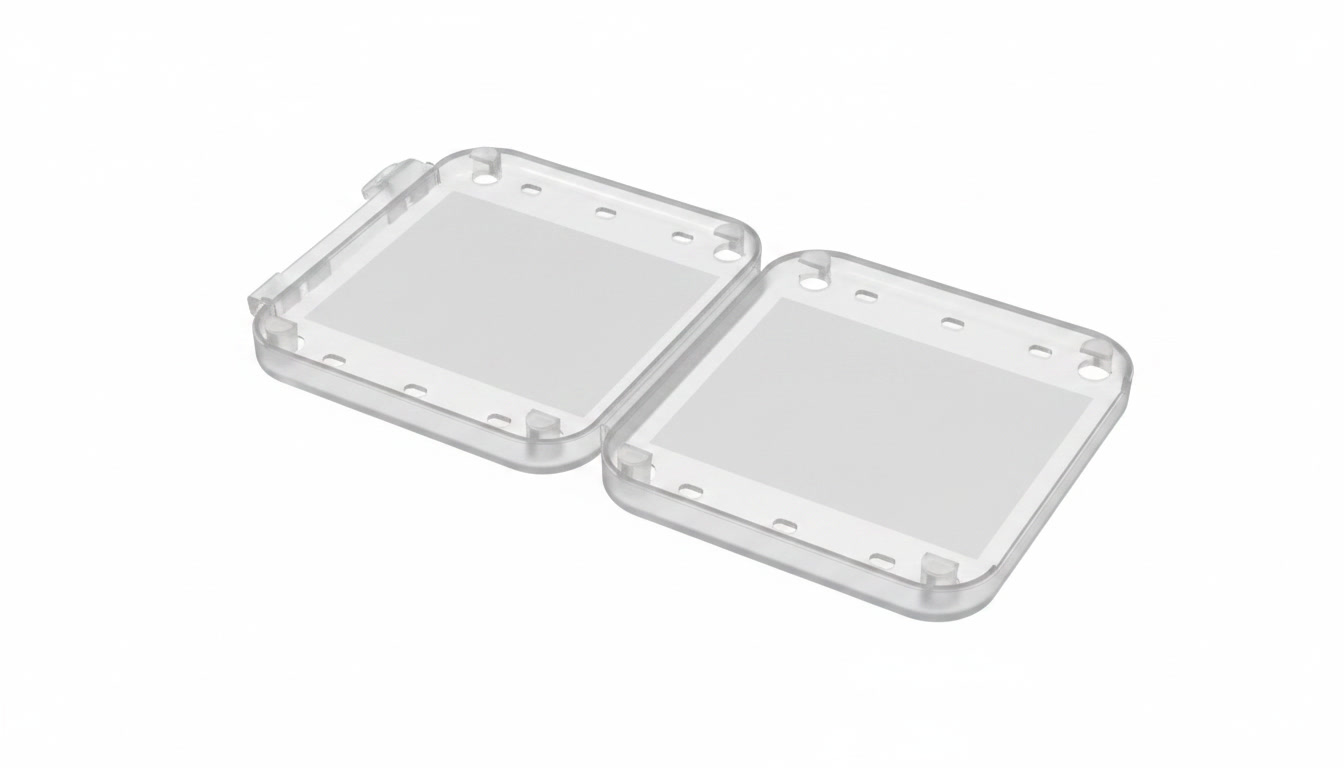
Snap-fit plastic housings are the unsung heroes of modern vehicles. They hold sensors, terminals and connectors securely in place, protect delicate electronics from heat and vibration, and allow tool-free assembly on fast-moving production lines. Choosing the right housing, however, is not a simple catalogue pick. Below is a practical buying guide for procurement teams, OEMs and Tier-1/Tier-2 suppliers evaluating an injection moulded connector housing for their next programme.
Understand Your Application First
Before comparing suppliers, define what the housing must actually do. An auto sensor plastic enclosure used near the engine bay faces very different demands from one mounted inside the cabin. Map out these fundamentals early:
- Operating environment — under-bonnet heat, exposure to oils, moisture, dust or road salt.
- Mechanical load — vibration, insertion cycles and the retention force the snap-fit must sustain.
- Electrical role — whether the housing carries current-bearing terminals, and any creepage/clearance needs.
- Assembly method — manual snap assembly, semi-automated fitment, or robotic handling.
Getting these clear at the start prevents costly redesigns once tooling is committed.
Match the Material to the Duty
Material selection drives durability, dimensional stability and long-term reliability. Polypropylene (PP) offers good chemical resistance and flex for repeated snap engagement, while glass-filled grades add stiffness and heat resistance for demanding under-bonnet zones. High-density options such as our HDPE-based mouldings suit robust structural parts where toughness matters.
A capable automotive plastic component manufacturer India buyers can trust will help you weigh factors such as heat deflection, UV stability, flame retardancy and colour requirements. For instance, black grades are commonly specified where UV exposure or a discreet finish is preferred, whereas natural grades suit colour coding.
Design Factors That Make or Break a Snap-Fit
The geometry of the snap-fit itself decides whether the housing performs for years or fails in the field. Look closely at:
- Cantilever design and deflection — enough flex for easy insertion, enough stiffness for secure retention.
- Retention vs. serviceability — some assemblies need permanent locking; others require repeated servicing.
- Wall thickness and rib design — consistent walls reduce sink marks, warpage and internal stress.
- Tolerance stack-up — mating parts must snap cleanly without rattle or excessive force.
A well-engineered snap-fit reduces part count, eliminates fasteners and speeds up line assembly — a real cost and quality advantage over the product life.
Evaluate Manufacturing Capability
Design intent is only as good as the moulding that delivers it. When shortlisting a snap-fit plastic housing supplier, examine tooling capability, process control and consistency across large volumes. Repeatable shot-to-shot quality is essential for parts that must snap identically every time.
At Toni Plastic Industries, our injection-moulding experience spans a wide product range — from technical mouldings to precision components in our TH, CH, MH and PH series such as TH-136 (Natural), TH-136 (Black), TH-152 (PP-Black), TH-179, TH-180, CH-133 (Black) and CH-134 (Black). This breadth reflects our ability to hold tight tolerances, run multiple materials and finish parts to a consistent standard — the same disciplines that a reliable auto sensor plastic enclosure Delhi buyer should demand.
Quality, Compliance and Documentation
Automotive supply chains run on traceability. Ask any prospective supplier for:
- Material certificates and batch traceability.
- Dimensional inspection reports and gauging.
- Sample approval and PPAP-style documentation where required.
- Support with early prototyping before mass production.
A supplier who welcomes these questions is one who understands the stakes of automotive fitment, where a single failed connector housing can trigger warranty claims or line stoppages.
Think Beyond the Single Part
The best procurement decisions consider the total relationship, not just one component. Consistent lead times, capacity to scale with your volumes, and willingness to co-develop new designs all matter. As a Delhi-based manufacturer serving B2B, B2C and export markets, we support customers who need dependable supply, engineering collaboration and consistent quality over the long run.
When you combine the right material, a sound snap-fit design and a proven moulder, you get connector housings that assemble easily, retain securely and last through the vehicle's service life.
Ready to Specify Your Housing?
If you are sourcing an injection moulded connector housing or a custom sensor enclosure, our team can help you translate your requirements into a manufacturable, reliable part. Request our latest product catalogue or send us your specifications for a tailored quote — we will be glad to guide you from concept to consistent production.
Looking for plastic products or garment hangers?
Toni Plastic Industries manufactures 400+ items for B2B, retail & export. Request a quote and our team will reach out.